


Landscaping Cost Guide for Small Homes
Last Updated: October 26, 2026
Quick Summary
Landscaping cost small homes varies dramatically based on site access, existing conditions, materials chosen, and labor scope rather than yard size alone. On small lots, budget for access, demolition, drainage, and soil prep before plants, as these three items most often cause cost overruns.
Access within 20 feet of beds keeps labor efficient; side gates and slopes require extra wheelbarrowing hours
Materials typically account for 30-50% of installation costs, while labor represents 40-60% due to detailed work and less economy of scale
Removing existing landscaping and mature planting can generate multiple haul loads, adding significant disposal and labor costs
Native and drought-tolerant plants often cost less than exotics and establish faster with reduced maintenance
Get itemized written estimates that specify design, materials, labor, demolition, permits, and annual maintenance costs
Table of Contents
Understanding Landscaping Cost for Small Homes
Understanding landscaping cost small homes requires knowing how expenses vary dramatically based on what you're doing, where you live, and whether you hire professionals or DIY. The real challenge isn't finding a number, it's understanding what drives it so you can budget wisely.
Small yards have their own economics: no bulk material savings, but far fewer labor hours than sprawling acreage. Understanding this distinction is where smart budgeting begins.
The confusion stems from not knowing what's included in each estimate. Once you understand the components, design, materials, labor, permits, and maintenance, you can compare apples to apples.
This guide breaks down landscaping cost small homes into concrete pieces: what drives expenses and how to read an estimate.
What Drives Landscaping Costs in the Area
Two small yards on the same block can produce estimates differing by thousands of dollars, driven by site conditions, access, and scope decisions specific to small lots. Here's what actually moves the number.
1. Access and hauling. The biggest hidden cost on a small lot is getting materials in and debris out. Driveway access within 20 feet of beds keeps labor efficient; side gates, slopes, or finished garage floors mean hours of wheelbarrowing, priced as added labor. Ask upfront whether the estimate assumes driveway or gate access.
2. Lot layout and usable area. A 1,500-square-foot backyard with a straight fence line is a different job than the same area split into a side yard, courtyard, and slope. Fragmented spaces mean more edges and hand work, which is why per-square-foot pricing is a weak way to compare small-yard bids.
3. Existing landscaping and demolition. Removing a lawn, overgrown shrubs, or a concrete patio adds disposal and labor before new work begins. Haul-away is billed by load, and mature planting can generate multiple loads even on a small yard. A bid excluding demolition isn't cheaper; it's incomplete.
4. Soil, slope, and drainage. Compacted builder's soil, clay subsoil, and pooling low spots require amendment or regrading. Slopes add retaining or terracing costs, and drainage fixes like French drains are frequently unanticipated. These aren't upsells; they're the difference between a landscape that establishes and one that fails in the first wet season.
5. Plant and material selection. Native and drought-tolerant plants are often priced competitively and establish faster, reducing year-one replacement costs. The larger swing is hardscape: gravel, decomposed granite, and pavers sit at very different price points, and base prep is a significant share. On a small yard, one hardscape decision can outweigh every plant choice combined.
6. Irrigation scope. New drip or spray systems, extensions, and repairs are three different jobs. Drip conversion for beds is typically the lowest-cost water-wise upgrade; a full new system with a smart controller is the highest. If the existing system works, tying new planting into it is almost always cheaper.
7. Labor market and licensing.
8. Permits and local requirements.
Pro Tip When you compare bids, ask each contractor to state their access assumption, whether demolition and haul-away are included, and whether permits are in scope. Those three answers explain most of the price gap between a low bid and a high one.
The practical takeaway: on a small lot, budget for access, demolition, and drainage before plants. Those three items are where small-yard estimates most often go sideways.
Several site-specific factors significantly influence landscaping costs on small lots.
Cost Driver | Impact on Budget | Key Consideration |
Access and hauling | Major hidden cost | Driveway access within 20 feet keeps labor efficient |
Lot layout and usable area | Increases hand work | Fragmented spaces mean more edges to finish |
Existing landscaping and demolition | Adds disposal and labor | Mature planting can generate multiple haul loads |
Soil, slope, and drainage | Requires amendment or regrading | Compacted soil and low spots need fixes before planting |
Plant and material selection | Varies by hardscape choice | One hardscape decision can outweigh all plant choices |
Irrigation scope | Ranges from low to high cost | Drip conversion is lowest-cost water-wise upgrade |
Permits and local requirements | Variable by location | Affects overall project scope and timeline |
Small Yard Landscaping Cost Breakdown
A small yard project can break into distinct cost categories, helping you see where money goes and where to adjust scope.

Design and planning ranges from a simple sketch to a full landscape design. Basic planting may skip formal design, but a cohesive plan maximizing sight lines, plant maturity, and hardscape placement adds value. Many contractors include basic consultation; others charge separately.
Materials typically account for 30-50% of installation costs: soil, mulch, plants, and possibly pavers or gravel. A planting-focused project costs less in materials than one including a new patio or raised beds.
Labor covers site prep, planting, hardscape, and irrigation setup. For small yards, labor often represents 40-60% of total cost because the work is detailed and there's less economy of scale.
Ongoing maintenance is part of your long-term budget: annual mulch refresh, watering, pruning, and occasional replacement. A maintenance service is a recurring expense; DIY costs your time.
Landscape Design Cost and Installation Services
Landscape design ranges from a consultation to a full master plan, with cost reflecting scope. A professional designer brings expertise in plant selection, spatial planning, and how elements work together over time.
Installation labor depends on complexity. Simple planting costs less per hour than hardscape installation, which requires precision and sometimes specialized equipment.
Get multiple written estimates itemizing design, materials, labor, and additional services. Compare what's included, not just the total.
Drought-Resistant Landscaping Cost and Water-Wise Options
Water-wise landscaping is now standard practice: drought-resistant plants reduce irrigation needs, lower water bills, and thrive with less maintenance. Initial cost is comparable to traditional landscaping; savings come over time.
Native and drought-tolerant plants often cost less than exotics, establish faster, and need less fertilizer and pest treatment. Replacing a water-hungry lawn with drought-resistant groundcover is a long-term investment in lower maintenance.
A 2-3 inch mulch layer retains soil moisture, moderates temperature, and suppresses weeds, reducing watering frequency and plant stress. Quality mulch costs more upfront but pays for itself.
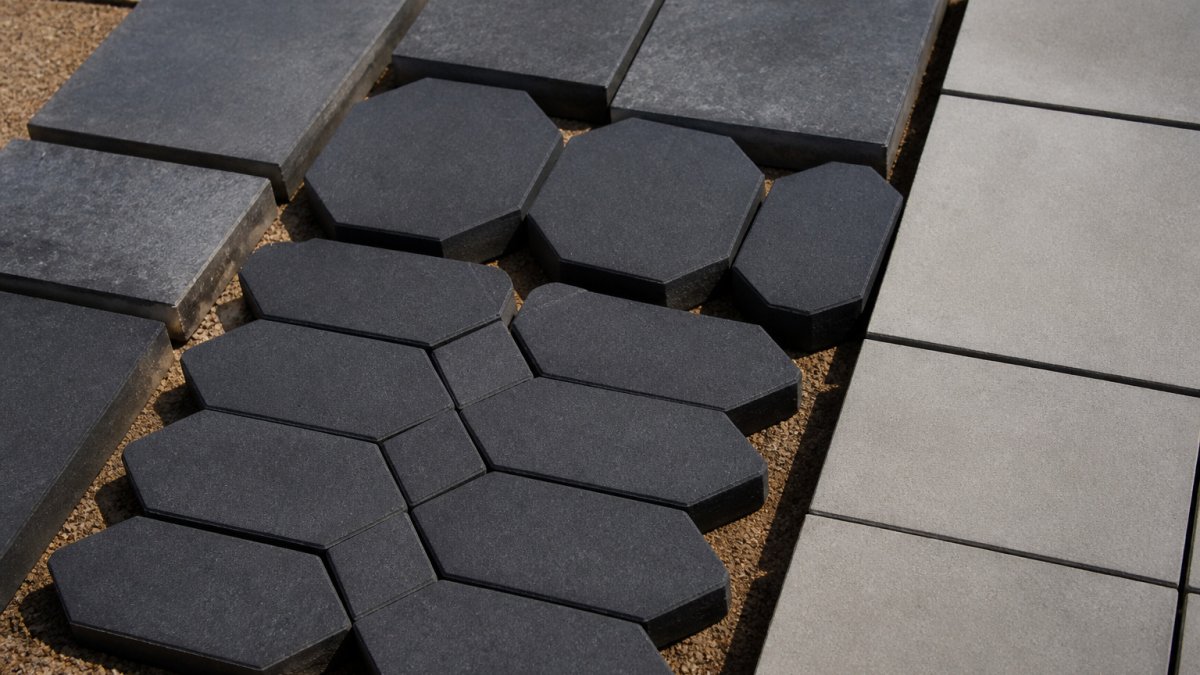
Hardscape like patios, pathways, and gravel reduces irrigated area. Permeable materials allow water infiltration and support soil health, costing more than basic concrete but aligning with water-wise principles and boosting appeal.
For a detailed guide on selecting water-wise plants and strategies specific to your area, explore drought-resistant landscaping options.
Sprinkler Repair Cost and Irrigation Maintenance
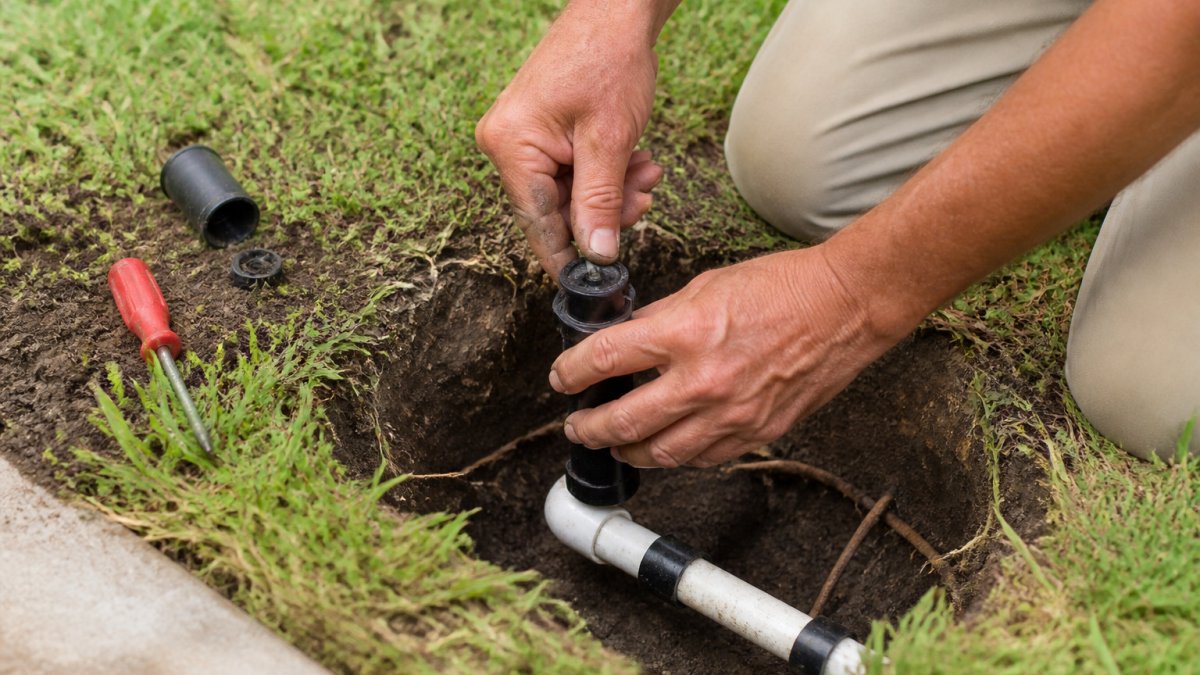
A broken head, stuck valve, or failed controller can affect coverage; repair costs depend on what's broken and how accessible it is.
Common repairs include heads, valves, line leaks, and controllers. Learn more about sprinkler repair services and what to expect. An unnoticed leak can waste water and money over time.
For sprinkler repair, book a free estimate.
Maintenance Costs Versus Installation: What to Budget Long-Term
Separate one-time installation from recurring maintenance and budget both from day one.
One-time installation costs. On a small yard, scope drives the total. Get itemized bids and compare line items, not totals.
Recurring maintenance costs.
Routine care: mowing, edging, weeding, and seasonal cleanup, usually billed weekly, biweekly, or per visit.
Plant care: pruning, staking, pest and disease treatment, and replacement of plants that fail to establish.
Irrigation: seasonal activation and winterization, head and valve repairs, and controller adjustments.
Mulch and soil: refreshing mulch every year or two, plus occasional soil amendment in beds.
Hardscape upkeep: resealing, re-sanding joints, and repairing settling or drainage issues.
The five-year view.
Doing it yourself versus hiring it out.
Establishment versus maturity.
Key Takeaway Budget installation and maintenance together. Ask each contractor for an estimated annual maintenance figure alongside the installation bid, and compare the two numbers as a pair.
Getting Your Free Landscaping Estimate
The estimate process moves you from planning to action. An estimate can be detailed, specific, and transparent about what's included.
When requesting an estimate, be clear about your goals: design, installation, maintenance, or all three, priority areas, and budget constraints. The more specific you are, the more accurate the estimate.
A written estimate can itemize each service and material. Review our plans and pricing to see service options available. "Landscaping" is too vague to compare meaningfully.
For properties in the area, request your free landscaping estimate.
The landscaping cost for small homes doesn't have to be mysterious. With clear understanding of what drives expenses, site conditions, materials, labor, design, and ongoing maintenance, you can make informed decisions. Compare detailed written estimates, understand what's included, and prioritize the improvements that matter most to your property and budget.
The real cost of landscaping isn't just the invoice, it's the value you get from a beautiful, functional outdoor space that fits your budget and lifestyle. Talgarden specializes in transforming outdoor spaces through garden design, sprinkler repair, sod installation, and hardscaping. Schedule your estimate today and discover what's possible for your property.
Frequently Asked Questions
How much is a small landscaping job typically?
Small landscaping projects range widely depending on scope. Factors like yard size, soil condition, plant selection, and labor intensity all affect the final price. Request a written estimate to understand what your specific project will cost.
What affects the cost of landscaping a small yard?
Key cost drivers include yard dimensions, existing vegetation removal, soil preparation, plant types and quantities, hardscape materials (pavers, stone), irrigation needs, and labor hours. Material availability can also influence pricing.
How much does drought-resistant landscaping cost compared to traditional landscaping?
Drought-resistant landscaping often has similar upfront installation costs but delivers long-term savings through reduced water bills and lower maintenance. Native plants and drought-tolerant species may cost slightly more initially but eliminate the need for supplemental watering. Over time, these water-wise options prove more economical, especially in regions with water conservation requirements.
How much does a sprinkler repair or irrigation upgrade cost?
Sprinkler repair costs depend on the issue. For current pricing or a quote, visit Talgarden's website.
How can homeowners reduce landscaping costs without sacrificing curb appeal?
Prioritize projects that matter most to your property and budget. Phase larger projects over time rather than doing everything at once.
What should I look for in a written landscaping estimate?
A clear estimate can list services and materials so you can understand what's included. Compare the details and ask questions about anything unclear.
Schedule your estimate today!
Add talgarden.com as a preferred source on Google →
Comments